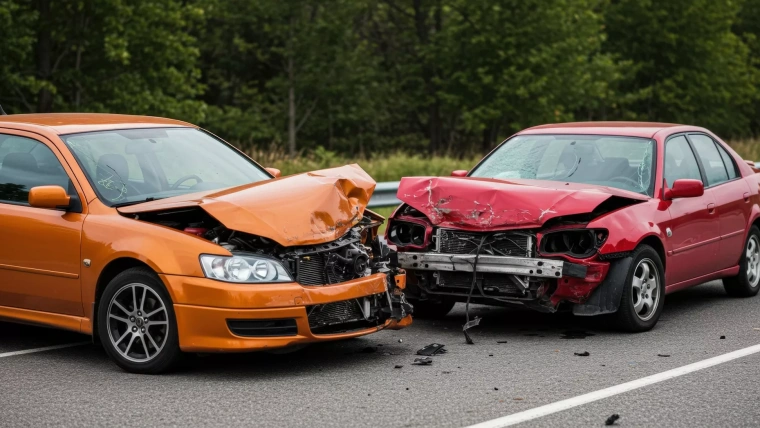
Being in a car accident is stressful, but knowing the right steps can protect your safety, insurance coverage, and vehicle. From documenting the scene to arranging auto body shop services near you, following a structured plan ensures the best outcome. At First Class Collision in Westbury, NY, we guide drivers through every step after a collision, ensuring a smooth, efficient process.
If you need collision repair near you in Westbury, NY, First Class Collision provides towing, insurance claim assistance, and certified collision repair services to get you safely back on the road.
Ensure Safety and Document the Scene
- Check for injuries and call emergency services if needed
- Move vehicles to a safe area, if possible
- Take photos of all vehicles, damage, and surroundings
- Exchange names, phone numbers, insurance details, and license plates
Take Documentation to the Next Level
- Identify the officers: When police arrive, note the names and badge numbers of all responding officers.
- Get a copy of the accident report: Ask officers how to obtain an official report, as your insurer may need this during the claims process.
- Capture comprehensive photos: Photograph vehicles from multiple angles, highlight visible damage, and include wide shots of the scene. Don’t forget close-ups of license plates and any relevant street signs or signals.
- Record passenger and witness details: Write down names and contact information for everyone involved—including passengers in other vehicles and any witnesses.
Thorough documentation protects you and streamlines the insurance claim process.
Take Precautions While Awaiting Assistance
- Turn off your vehicle and switch on your hazard lights to alert approaching drivers.
- If you have them, set out reflective triangles or road flares from your emergency kit to increase visibility for everyone’s safety.
- Remain cautious when approached by unsolicited tow trucks. Unfortunately, some unauthorized operators may try to take advantage of the situation by towing your vehicle without permission, sometimes demanding high fees to release it later.
- Only accept help from tow services you’ve personally contacted or those recommended by your insurance provider or law enforcement.
By staying vigilant and taking these steps, you help ensure your safety and protect your vehicle from unnecessary complications.
Why You Shouldn’t Discuss Fault at the Scene
In the moments following a collision, it’s natural to want to talk things through with the other driver. However, avoid admitting fault or assigning blame at the scene. Determining who is responsible for the accident is a job for insurance adjusters and, in some cases, law enforcement.
Here’s why it matters:
- Insurance companies—like Allstate, State Farm, GEICO, or Progressive—rely on official reports, photos, and statements from everyone involved to determine fault.
- What you say at the scene, even unintentionally, can influence how liability is assessed later.
- Admitting fault before all details are clear could complicate your claim or affect your coverage.
Instead, focus on sharing accurate information, documenting the scene, and letting professionals sort out the details. This will help protect your interests as the claim is processed.
Should You Call the Police After an Accident?
In many situations, calling the police after an accident is strongly recommended—even if the damage appears minor. A police report provides an official record of the incident, which can be extremely helpful when filing insurance claims, determining fault, and protecting yourself from future disputes. If anyone is injured, vehicles are heavily damaged, or traffic is blocked, you should call emergency services immediately.
Once the situation is safe, document the officer’s name, badge number, and report number for your records. This information can speed up the claims process when working with your insurance provider or our Insurance Claim Center. If your vehicle cannot be safely driven, arrange towing to a certified repair facility for inspection and repairs.
Contact the Police and File a Report
Even a small fender-bender can benefit from official documentation. Calling the police is often required by law and ensures you have a detailed police report for your records. Officers will collect statements, record details, and provide an unbiased account of what happened—something your insurance company will likely request when you file a claim.
If local law enforcement isn’t available to respond, don’t worry—head to the nearest police station as soon as possible to file an official report yourself. Having this paperwork on hand helps protect you during the claims process and can make resolving the situation much simpler.
If your vehicle is unsafe to drive, call professional towing services to transport it safely to a certified repair facility.
File a Police Report for Your Records and Insurance
Filing a police report after an accident, no matter how minor or severe, is a smart move—and sometimes even required by law based on your state or local regulations. When you call 911, responding officers will arrive to document the scene, collect statements, and prepare an official accident report.
If law enforcement is unable to come to the scene, head to the nearest police station to file a report yourself. The documentation you receive will serve as an objective record of the incident, which can protect you from misunderstandings later.
When you initiate an insurance claim, your provider may request a copy of this police report. Having it ready can help streamline your claim and ensure that all essential details are verified, making the process quicker and less stressful for everyone involved.
When to Report an Accident to the Department of Motor Vehicles (DMV)
Depending on where you live, you may need to notify your local Department of Motor Vehicles (DMV) after an accident. Many states require you to report the incident if there are injuries, significant property damage, or if repair costs exceed a specific amount (often $1,000 or more). Requirements vary, so it’s important to check your state’s DMV guidelines right away.
Typically, you must file a report within a certain timeframe—sometimes as soon as 5-10 days after the accident. Failure to report when required could result in fines or even license suspension. If you’re unsure if your accident meets the criteria, visit your state DMV website or reach out to their office for clarification. This step helps protect your legal standing and keeps your driving record in good order.
What Steps Should You Take if a Car Accident Is Not Your Fault?
Even if the accident wasn’t your fault, taking the right actions immediately afterward ensures your interests are protected.
- Stay Calm and Gather Information: Start by checking for injuries and ensuring everyone’s safety. Exchange contact and insurance details with the other driver.
- Document Everything: Take clear photos of the accident scene, all vehicles involved, and any visible damages. Collect witness statements if available.
- Contact Local Authorities: Report the accident to the police and request a copy of the incident report. This documentation is critical for insurance claims.
- Notify Your Insurance Provider: Regardless of fault, reach out to your insurance agent. Laws vary by state—sometimes your insurance may initially handle the claim, especially in no-fault states. Confirm with your provider how coverage applies in your situation.
Remember, official determination of fault is handled by insurance adjusters and sometimes law enforcement. Provide honest, accurate details and keep a personal record of all communications and documents related to the accident.
What Should You Do If You Believe You’re at Fault?
Even if you think you may have caused the accident, your next steps remain the same—stay calm and follow the process to protect yourself and your vehicle.
- Start by making sure everyone is okay and call emergency services if necessary.
- Document the scene thoroughly with photos and notes, just as you would in any accident.
- Share your insurance and contact information with the other driver, being honest but not admitting fault—let professionals determine liability.
- Reach out to your insurance provider as soon as possible to report the incident and provide all the necessary details.
Remember, insurance companies like GEICO, State Farm, and Progressive determine fault only after a thorough review. Depending on your coverage (like collision or comprehensive), you may still have help for repairs, even if you’re at fault. So focus on accurate documentation and let your insurer and adjusters handle the investigation from there.
Notify Your Insurance Provider
- Report the accident promptly
- Provide documentation, photos, and accident details
- Ask about coverage for repairs and towing
- Keep a copy of the claim number and adjuster contact info
Contact your insurance provider promptly and submit all documentation. Our Insurance Claim Center is an Allstate Shop and is recognized by all major insurance companies. We can guide you through the claims process to make it smooth and hassle-free.
After you report the accident, your insurance company will likely assign an adjuster to inspect your vehicle, review the damage, and help determine both fault and the repair costs. Be sure to provide all relevant documentation, including photos and details from the scene. Depending on your coverage, you may be reimbursed for repair expenses or, in the event your car is declared a total loss, for its actual cash value.
Staying organized and communicating clearly with your insurer—and with our experienced team—will help ensure you get the support and coverage you deserve.
Confirm State-Specific Reporting Requirements
If you’re unsure about your state’s rules for reporting an accident or handling insurance, don’t hesitate to look into the details. Each state has unique requirements—sometimes you need to file a police report within a certain time frame, and your insurance obligations can vary.
- Visit your local Department of Motor Vehicles (DMV) website for up-to-date accident reporting guidelines. You can search the GOV DMV site and search for local information.
- You can also call your state’s DMV or check their online resources for step-by-step instructions.
- If in doubt, ask your insurance agent or company about what documents and actions are needed in your area.
Taking these steps helps ensure you’re compliant with local laws and that your claim proceeds without unnecessary delays.
Taking these steps helps ensure you’re compliant with local laws and that your claim proceeds without unnecessary delays.
Towing
If your vehicle is unsafe to drive, call a professional towing service to transport it safely to a certified repair facility.
Watch Out for Bandit Tow Trucks
Not every tow truck that arrives at the scene is there with your best interests in mind. The National Insurance Crime Bureau warns drivers about “bandit” tow trucks—unlicensed operators that may show up unsolicited after an accident. These tow trucks often persuade drivers to let them transport their vehicles, only to take the car to unauthorized lots where it’s held until you pay excessive fees.
To avoid falling victim to these scams:
- Only use towing services you or your insurance provider have contacted directly.
- Ask for company identification and proper licensing before allowing any tow.
- Confirm the destination of your vehicle and get all details in writing.
- If in doubt, wait for law enforcement or your insurance representative for guidance.
By taking these precautions, you ensure your vehicle ends up with a reputable repair facility—and you avoid unnecessary expenses or headaches.
How Insurance Adjusters Determine Fault and Repair Costs
Once your claim is filed, your insurance company assigns an adjuster to your case. The adjuster’s job is to review all the details you’ve provided—photos, accident reports, and any witness statements. They’ll typically inspect your vehicle in person or review repair shop estimates to assess the full scope of the damage.
During their investigation, the adjuster will:
- Evaluate the accident evidence to help determine who was at fault
- Consider statements from you, the other driver, and any witnesses
- Review police or incident reports
Based on your policy and the outcome of their assessment, the adjuster will determine whether your vehicle can be repaired or if it is considered a total loss. If repairs are approved, you’ll often receive payment directly or have expenses covered by the insurance company, depending on your coverage limits and deductibles. If your car is totaled, you’ll usually be compensated for its actual cash value.
Understanding How Repair Costs and Vehicle Value Are Determined
After the claim is filed and documentation submitted, your insurance company will assign an adjuster to evaluate the damage to your vehicle. The adjuster’s job is to carefully inspect your car, review photos, and assess repair estimates from body shops like First Class Collision.
Here’s how they determine what happens next:
- Repair Costs: The adjuster will compare repair estimates from certified technicians—factoring in labor, replacement parts, and paintwork—with industry-standard pricing guidelines. If the cost to repair your vehicle is reasonable in relation to its pre-accident value, they’ll approve repairs minus your deductible.
- Total Loss (Actual Cash Value): If the estimated repairs approach or exceed the vehicle’s current market value, the insurance company may declare it a total loss. In this case, you’ll be offered the actual cash value of your car, which is calculated by considering factors such as your vehicle’s age, mileage, condition, and current resale prices in your area.
Your insurer will also consider whether you have comprehensive or collision coverage, which impacts the type and amount of reimbursement. No matter the scenario, working with a certified shop ensures that estimates are fair and your interests are protected throughout the process. You can learn learn more about insurance deductible assistance.
How Insurance Companies Assess Vehicle Damage and Total Loss
After you file a claim, your insurance company will send an adjuster to inspect your car. They’ll evaluate the extent of damage, estimate the cost of repairs, and compare that amount to your vehicle’s current market value—usually referencing trusted sources like Kelley Blue Book or NADA guides.
If the repairs cost close to or more than what your car is worth (often around 70-80%, but this can vary by insurer and state law), your car may be declared a “total loss.” In that event, you’re typically offered a settlement based on your car’s pre-accident value, minus your deductible and any applicable fees. Your individual policy and state regulations will affect the details, so reviewing your coverage or speaking with your adjuster is always a good idea.
Fault vs. No-Fault States: Understanding Insurance Claims
Wondering who pays for your car repairs after an accident? The answer depends on whether you live in a “fault” or “no-fault” state.
- Fault states: If another driver causes the accident, their insurance is usually responsible for covering your damages. You’ll typically file a claim with the at-fault driver’s insurer to handle repair costs, medical bills, and other losses.
- No-fault states: In these states, your own insurance steps in to cover your medical bills and, sometimes, vehicle repairs—regardless of who caused the accident. Both parties may use their own insurance policies for certain expenses, making the process different from traditional fault-based systems.
Not sure if your state is no-fault? Reach out to your insurance company or check your state’s DMV website for guidance.
With this information in hand, you’ll be better prepared to handle the claims process, no matter where your accident takes place.
Understanding Insurance Changes After an Accident
A common question after a collision is whether you can purchase or alter auto insurance to cover existing damage. While you can switch insurance providers or add new coverage at any time, insurance policies do not work retroactively. That means you can’t buy a new policy to pay for repairs from an accident that has already happened. Insurance is designed to protect you against unexpected future incidents, not ones that have already occurred.
If you’re considering changing insurers or increasing your coverage, do so before you ever need to file a claim. For accident-related repairs, your current policy and coverage limits at the time of the incident will determine the extent of assistance available. Always review your policy details regularly to ensure you have adequate protection for the road ahead.
Choosing a Collision Repair Facility
Once your claim is filed, scheduling professional auto body repair services near you ensures your vehicle is restored safely using certified repair procedures.
- Look for certifications: ICAR, ASE, manufacturer-approved
- Read reviews and check past work quality
- Ask about insurance claim experience and communication
- Ensure they offer services like paintless dent removal, auto painting, and car restoration
We are a certified I-CAR shop offering expert auto collision repair services, ensuring your car is restored safely and professionally. Learn the difference between certified Vs. non-certified shops.
Repair Options and Decisions
Understand your repair choices:
- Decide between paintless dent removal and traditional collision repair
- Confirm if OEM or aftermarket parts will be used
- Review the repair timeline and warranty coverage
Minor dents can often be repaired with paintless dent removal, preserving your vehicle’s original paint. Repairs may require painting. Learn about our auto painting services for color-matched finishes.
NOTE: Modern safety tech is sensitive; even a minor bumper scuff can necessitate recalibrating your vehicle’s driver-assist systems to prevent errors in emergency braking
After the Repair — What to Expect
- Inspect the vehicle for quality of repairs
- Confirm warranty coverage and documentation
- Maintain records for insurance or resale purposes
- Ensure vehicle safety features function properly
After the work is complete, consider long-term maintenance options such as car restoration to preserve your vehicle’s appearance and value.
Explore all of our auto body repair services to see how we can help after any accident.
FAQs – What to Do After a Car Accident: Quick Checklist
1️⃣ What should I do immediately after a car accident?
Ensure safety, document the scene with photos, exchange information, and contact emergency services if needed.
2️⃣ Will my insurance cover collision repairs after an accident?
Most policies cover repairs after an accident. Our Insurance Claim Center can guide you through the process.
3️⃣ Should I get my car towed after an accident?
Yes, if the vehicle is unsafe to drive. Towing ensures your car reaches a certified repair facility safely.
4️⃣ How long does collision repair take after an accident?
Timelines vary by damage severity. Your repair technician will provide a detailed estimate.
5️⃣ What’s the difference between paintless dent removal and traditional repair?
PDR fixes minor dents without repainting, preserving your car’s original finish, while traditional repair may involve bodywork and repainting.