

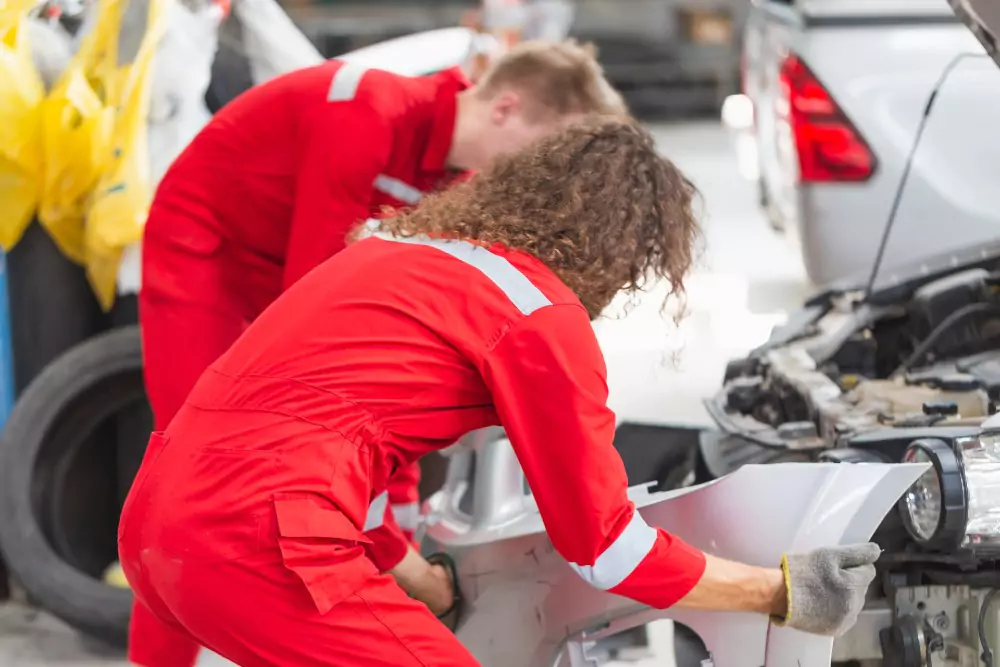
When the unexpected happens, and your vehicle is involved in a collision, finding the right collision repair shop near you can feel like navigating a maze. With countless options, how do you ensure your beloved car gets the care it deserves? Choosing a collision repair shop isn’t just about getting back on the road; it’s about restoring your peace of mind. This guide will unveil critical factors that will empower you to make an informed decision. From assessing certifications and customer reviews to understanding warranty offerings and service quality, we’ve got you covered! Please buckle up as we go through essential tips for selecting a collision repair shop that meets your needs and expectations. Your journey to hassle-free repairs starts here!
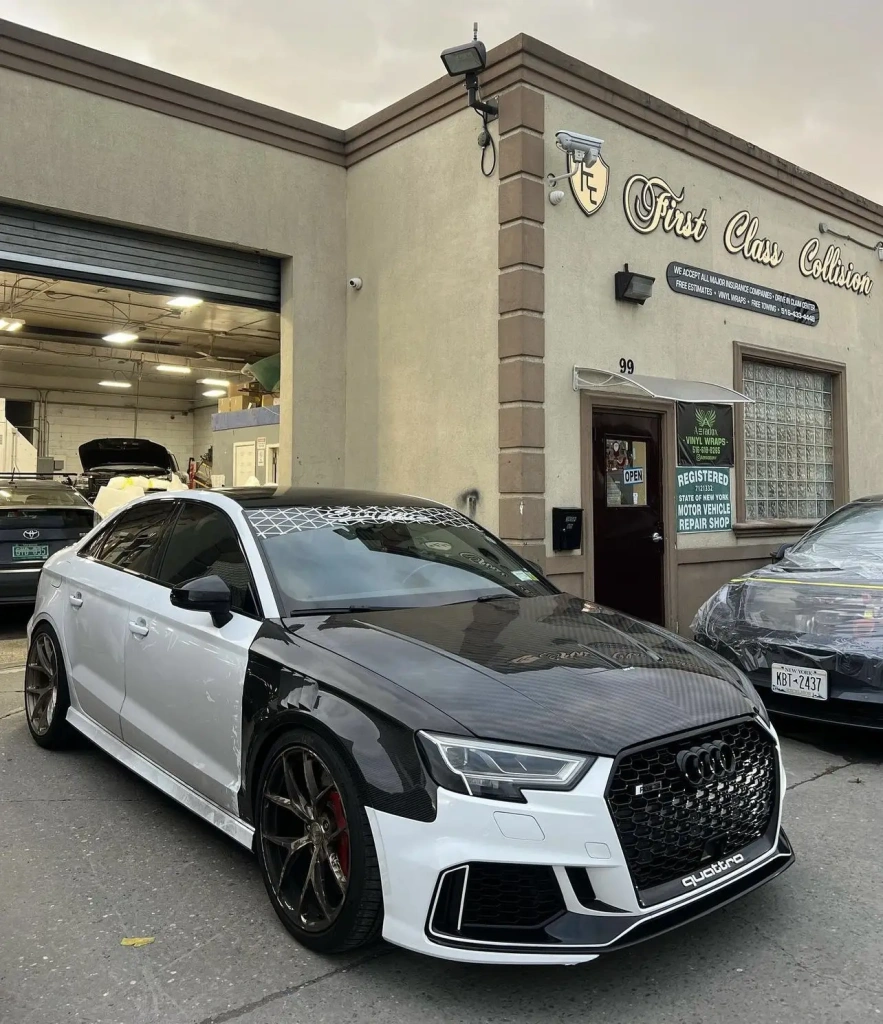
Choosing the right collision repair shop matters, especially when it comes to quality, safety, and long-term value — learn how auto collision repair is handled at First Class Collision.
Introduction: How to Choose the Right Collision Repair Shop
Have you ever found yourself in the unfortunate situation of needing collision repair for your vehicle? Choosing the right auto body shop can make all the difference, whether it’s a minor fender bender or a major accident. A quality repair job not only restores your car’s appearance but also ensures its safety and performance on the road. With countless options available, how do you know which shop will provide the best service? Let’s explore key factors when selecting an auto body repair shop that meets your needs and expectations. Your vehicle deserves nothing less than top-notch care!
What Services Do Collision Repair Shops Offer?
Wondering exactly what a collision repair shop can tackle? The answer: quite a bit! Collision repair shops are equipped to handle everything from minor dings and scratches to extensive body damage after an accident. Their skilled technicians can repair or replace damaged panels, expertly match paint, and remove those unsightly dents that seemed impossible to fix.
But it doesn’t stop at cosmetics. If your vehicle’s frame is bent or misaligned, these shops use specialized tools and training—think computerized frame measurement systems—to return your car to its correct structural integrity. Hidden damage beneath the surface, especially anything affecting the car’s safety or handling, is diagnosed and corrected with industry-standard methods.
From collision repair to painting and restoration, understanding the full scope of available auto body shop services can help you make a more informed decision.
In short, a reputable collision repair shop is your go-to for:
- Dent and scratch repairs
- Panel replacements
- Frame straightening and alignment
- Paint refinishing and color matching
- Addressing structural and safety issues
Whether the aftermath of a fender bender or a more serious accident, collision repair specialists focus on restoring both the appearance and the safety of your ride—so you can drive away confident your car is as good as new.
What’s the Difference Between Automotive Repair and Collision Repair?
Before trusting your car to any repair shop, it’s important to understand what kind of service you actually need. The terms “automotive repair” and “collision repair” are often used interchangeably, but they serve very different purposes—think of it as the difference between maintaining good health and recovering from an injury.
Automotive Repair: Maintenance and Mechanics
Automotive repair shops are your go-to for everyday upkeep and “under-the-hood” issues. They handle everything from routine oil changes and tune-ups to replacing brakes, troubleshooting engine lights, and fixing squeaky suspensions. In essence, these shops keep your ride humming along and address the mechanical or electrical hiccups that can crop up over time.
A few common automotive repair services include:
- Oil and filter changes
- Brake pad and rotor replacement
- Engine diagnostics and repairs
- Battery replacement
- Transmission servicing
Collision Repair: Restoring After an Accident
Collision repair, on the other hand, comes into play after a mishap—like that rogue shopping cart or unfortunate fender bender. These specialists focus on repairing visible damage from accidents, whether it’s a dented bumper, cracked fender, or a crumpled door. Collision repair shops are equipped with specialized tools and expertise to restore your vehicle’s exterior (and its structure) to pre-accident condition.
They often handle:
- Bodywork and paint matching
- Dent removal and scratch repair
- Frame straightening and alignment
- Replacing damaged panels or glass
Simply put, automotive repair keeps your car running smoothly, while collision repair restores it after a scrape or crash. Knowing which service you need is the first step toward getting your car back in top form.
Reputation and Experience of the Shop
When searching for the right collision repair shop, reputation and experience are crucial factors. You can start by diving into online reviews. Platforms like Google and Yelp can offer insights from previous customers.
Ask friends or family for their recommendations, too. Personal experiences often highlight trustworthy shops that may not be on your radar.
Don’t overlook certifications. A shop affiliated with organizations such as I-CAR or ASE demonstrates a commitment to maintaining industry standards and skills.
Experience matters significantly in auto body repairs. Shops that have been around for several years typically boast a wealth of knowledge in handling various types of damage, making them more reliable when restoring your vehicle’s appearance and functionality.
Take the time to research what others say about potential shops before making your decision; this will help you find a trustworthy partner to repair your car.
- Researching online reviews and ratings
Online reviews can be your best friend when searching for a reliable collision repair shop. Websites like Google, Yelp, and Facebook offer insights from real customers about their experiences.
Look for patterns in the feedback. Are there consistent praises or complaints? A shop with numerous positive reviews often indicates reliability and quality service.
Pay attention to recent comments as well. An influx of negative reviews might suggest declining standards or management issues.
Don’t just focus on star ratings; delve into the reviews’ content. Specifics about workmanship or customer interaction can provide deeper insight into what you can expect during your own experience.
Remember that every review is subjective, so consider them alongside other factors to get a well-rounded picture of the auto body shop you’re considering.
- Asking for recommendations from friends and family
When finding a reliable collision repair shop, the people closest to you can be an invaluable resource. Friends and family often have first-hand experiences that can guide your decision-making process.
Ask them about their encounters with local auto body shops. Did they feel satisfied with the work? How was the customer service? Their insights may highlight options you hadn’t considered before.
Personal recommendations carry weight because they come from trusted sources who want the best for you. A positive experience shared by someone close gives you more confidence in your choice.
Moreover, these conversations might uncover hidden gems—shops that may not appear at the top of online searches but offer exceptional service and quality repairs. Don’t hesitate to tap into this network; it could lead you directly to a shop that will effectively meet your needs.
- Looking into the shop’s certifications and affiliations
When selecting an auto body shop, certifications, and affiliations can provide valuable insights into their professionalism and expertise. A reputable shop often holds industry certifications from organizations like the Inter-Industry Conference on Auto Collision Repair (I-CAR) or the National Institute for Automotive Service Excellence (ASE).
These credentials indicate that the technicians are trained in current repair techniques and standards. It’s a mark of quality assurance that shouldn’t be overlooked.
Additionally, affiliations with manufacturers can signal a higher level of trustworthiness. If a shop is certified by major automotive brands, it shows that it meets specific criteria set by those companies for repairs on their vehicles.
Researching these aspects gives you confidence in your choice. You want to ensure your vehicle is handled by knowledgeable professionals committed to delivering top-notch service.
Assessing Value for Money
When comparing collision repair shops, determining value for money goes beyond simply picking the lowest estimate. Instead, ask for detailed quotes that break down the parts, labor, and any additional services. If one shop charges more, it could be because they use original equipment manufacturer (OEM) parts, invest in ongoing staff training, or offer a longer warranty on their work.
Look for shops that clearly explain what you’re paying for and are transparent about any potential extra costs. Don’t be shy about asking questions:
- Are parts new, used, or aftermarket?
- What does the warranty cover—and for how long?
- Will they help work with your insurance? Many do, but First Class Collision in Westbury, NY, is an official insurance claim center. They’re recognized and work with all major insurance companies and recently became an official Allstate Insurance shop.
Remember, a slightly higher upfront cost might mean better materials, expert workmanship, and peace of mind down the road. Weigh the total package rather than fixating on price alone. Quality repairs can extend your vehicle’s lifespan and may even preserve its resale value.
Why Gathering Multiple Estimates Matters
Before settling on a collision repair shop, it’s smart to get more than one estimate. This isn’t just about finding the lowest price—it’s about understanding the full scope of repair work that your vehicle needs.
When you collect estimates from a handful of shops, you can:
- Compare not only costs, but also what’s included in each proposal. Some shops may quote a low price but leave out details or use non-original parts, while others factor in higher-quality materials or comprehensive services.
- Spot any red flags. If one shop’s estimate comes in dramatically lower than the rest, it could signal shortcuts, the use of inferior parts, or less experienced technicians.
- Gain leverage when making your final decision. Knowing what’s standard in your area—by comparing estimates from shops certified by organizations like I-CAR or ASE—puts you in a better position to choose value and peace of mind over mere cost alone.
In essence, gathering multiple estimates helps you make a confident, well-informed choice about where to trust your vehicle for repairs.
Quality of Workmanship and Equipment
When selecting a collision repair shop, the quality of workmanship is paramount. A visit to the facility can reveal much about their standards. Look for cleanliness and organization; a well-maintained shop often indicates attention to detail.
You should pay close attention to the equipment they use. Modern tools and technology enhance repair accuracy, ensuring your vehicle gets back on the road safely. With today’s vehicles featuring advanced safety systems, sensors, and complex materials, it’s essential to choose a shop that’s equipped with up-to-date technology—think computerized frame alignment, digital measuring systems, and precision color-matching equipment. These tools not only ensure repairs are performed to manufacturer standards but also help restore your car’s safety features and appearance with greater accuracy.
Ask questions about their repair techniques as well. Knowledgeable staff should be eager to explain their processes. Don’t hesitate to inquire about warranties or guarantees on repairs. Reputable shops stand by their work and offer assurances that give you peace of mind after an accident.
Choosing a place with high-quality craftsmanship protects your investment and ensures repair longevity. Your vehicle deserves nothing less than expert care throughout its restoration journey.
Visiting the shop in person to see their facilities and equipment
Visiting a collision repair shop in person offers invaluable insights. You get to observe the state of their facilities and equipment firsthand.
Look for cleanliness and organization. A tidy workspace often reflects the professionalism of the staff. If tools and parts are scattered, it might raise concerns about their attention to detail.
It is important to pay attention to the machinery they use. Modern, well-maintained equipment can significantly impact the quality of repairs. They must invest in advanced technology for efficient service. For instance, ask if they utilize the latest diagnostic scanners, aluminum repair stations, or computerized paint mixing systems—these can make a real difference, especially for newer vehicle models loaded with integrated tech.
Don’t hesitate to ask questions during your visit. Inquire about specific tools used for particular tasks or if they have any specialized equipment for unique repairs. This interaction can reveal how knowledgeable and passionate they are about their work.
Your experience at the shop will help you feel more confident in your decision-making process regarding auto body repairs.
- Inquiring about their repair process and the techniques used
When selecting a collision repair shop, understanding their repair process is crucial. Each shop may have unique techniques that can impact the quality of your vehicle’s restoration.
Start by asking specific questions about their approach to repairs. Are they using state-of-the-art technology? How do they ensure precision in bodywork?
It’s also important to know what materials they use for repairs. Quality parts can significantly improve durability and performance after an accident.
Don’t hesitate to inquire about their methods for assessing damage, too. A thorough evaluation often dictates the effectiveness of the entire repair process.
Lastly, ask if they follow industry standards or best practices during repairs. This knowledge can provide insight into how seriously they take their work and customer satisfaction.
Understanding the Importance of OEM Parts in RepairsUnderstanding the Importance of OEM Parts in Repairs
When evaluating a collision repair shop, pay close attention to the types of parts they use for replacements. The distinction between OEM (Original Equipment Manufacturer) parts and aftermarket or salvaged components is more significant than many realize.
OEM parts are produced by the same manufacturer as your vehicle, ensuring a precise fit and maintaining the car’s original safety standards. These parts uphold the integrity of your vehicle’s structure and performance, giving you confidence that repairs will not compromise crashworthiness or diminish the car’s value.
In contrast, aftermarket parts—made by third parties like Dorman or Keystone—or salvaged parts pulled from other vehicles may not match the quality or specifications of your original components. This can impact everything from panel alignment to the long-term durability of the repair. Even reputable insurers like State Farm and Allstate often recommend OEM parts for certain safety-related repairs for exactly these reasons.
When discussing repairs, don’t hesitate to ask whether the shop uses OEM parts and, if not, what alternatives they suggest. This conversation can reveal a great deal about their commitment to quality and your vehicle’s long-term wellbeing. Knowing your repairs are performed with the best parts available protects your investment and ensures you leave the shop feeling secure behind the wheel.
- Checking for any warranties or guarantees offered on repairs
Regarding auto body repairs, warranties, and guarantees can provide peace of mind. A reputable shop often stands by its work with written assurances.
Before committing, please inquire about the specific coverage they offer. Some shops may provide a limited warranty on parts or labor for a certain period. This information is crucial; it protects you if something goes wrong after the repair.
Don’t hesitate to ask how long these guarantees last and what they cover. You want clarity on whether it includes repainting or structural issues that may arise later.
A solid warranty indicates confidence in their craftsmanship and reflects their commitment to quality service. It gives you an extra layer of security as a customer making decisions regarding your vehicle’s care.
Evaluating Pricing Transparency at Collision Repair Shops
Transparency in pricing is a cornerstone of a trustworthy auto body shop experience. Before agreeing to any repairs, request a written estimate that itemizes every expected cost—including labor, parts (such as OEM versus aftermarket), and any supplemental services. This breakdown should be straightforward, without cryptic line items or ambiguous fees lurking in the fine print.
If anything in the estimate raises an eyebrow or seems unclear, don’t hesitate to ask for clarification. A reputable shop will walk you through each charge, explaining where numbers come from and what each service entails—think of it as a financial roadmap for your repair journey.
Watch out for hidden charges or vaguely described fees. The best shops, whether they’re certified by organizations like I-CAR or familiar with insurance programs from firms like GEICO and Progressive, will be upfront about potential changes to the estimate if new damage is discovered mid-repair. Clarity at this stage protects your wallet and ensures you know exactly what you’re paying for—no unpleasant surprises when the final invoice arrives.
Insurance Coverage and Claims Assistance
Understanding insurance coverage is crucial when dealing with auto body repairs. Ensure the collision repair shop you choose has experience working with your insurance provider. This can significantly streamline the process.
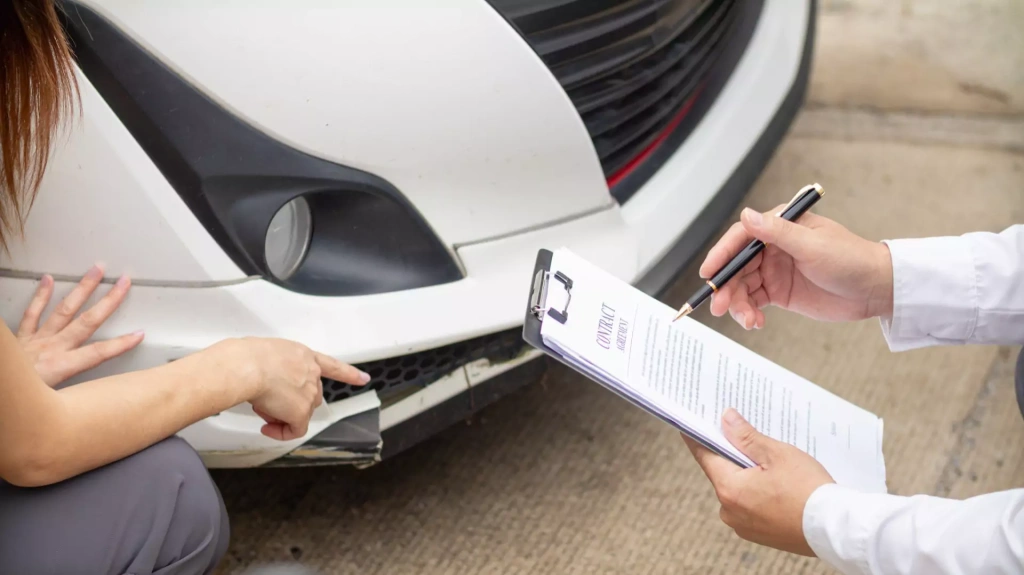
Ask about their procedures for filing claims and handling paperwork. A knowledgeable shop will guide you through each step, reducing your stress.
Some shops even have dedicated personnel to assist customers in navigating claims efficiently. Their support can be invaluable when you’re already managing other concerns related to the accident.
Additionally, inquire if they offer direct billing options to your insurer. This will mean less hassle for you and minimize payment issues throughout the repair process.
- Make sure the shop works with your insurance company
Navigating the aftermath of a collision can be overwhelming, especially regarding insurance. Choosing an auto body shop that collaborates seamlessly with your insurance provider is crucial.
Ask the shop if they have experience working with your insurance company. Many reputable shops are familiar with various insurers and their processes. This familiarity can streamline repairs and minimize headaches for you.
Inquire about how they handle claims. A good shop should assist you in filing paperwork or even manage it on your behalf. Their expertise can save you time and ensure nothing is overlooked during this stressful period.
Clarifying these details upfront will give you peace of mind, as you will know that both the repair quality and financial aspects are taken care of efficiently.
- Asking about their support in filing claims and handling paperwork
Navigating insurance claims can feel daunting, especially after a collision. A reputable auto body shop should offer guidance in this area.
When you visit the shop, ask about their experience with various insurance companies. A knowledgeable team can streamline the process for you. They should be able to explain how they handle claims and what documentation is needed.
It’s beneficial if they have established relationships with insurers. This connection often translates to quicker approvals and smoother communication.
Additionally, inquire whether they assist customers in filling out forms or gathering necessary paperwork. You deserve support throughout this process to focus on efficiently getting your vehicle back on the road.
Clear communication between you and the shop is essential for a stress-free repair experience.
Customer Service and Communication
Exceptional customer service is crucial when selecting an auto body shop. You want a team that treats you with respect and transparency.
Take note of how the staff greets you upon arrival. A friendly demeanor can set the tone for your entire experience.
Observe their willingness to answer questions. If they provide clear, straightforward responses, it’s a good sign they value open communication.
Consider follow-up practices as well. Does the shop maintain contact during repairs? Regular updates show commitment and keep anxiety at bay.
Pay attention to how concerns are handled, too. An attentive response indicates genuine care for customer satisfaction. After all, feeling valued goes a long way in building trust with any business partner involved in repairing your vehicle.
- Observing how the staff interacts with customers
When you enter a collision repair shop, pay attention to how the staff interacts with customers. Friendly and attentive service can make all the difference in your experience. Staff members should be willing to answer questions and address concerns without hesitation.
Good communication is vital during this process, building trust between you and the shop. A welcoming atmosphere often reflects a well-managed business that values its clientele. Notice if they take the time to explain their services clearly or provide updates on your vehicle’s status.
Convenience Services That Make a Difference
A truly customer-focused auto body shop goes beyond repairs by offering added conveniences that ease the burden of being without your vehicle. Consider whether the shop provides amenities like complimentary rental cars or partnerships with local agencies such as Enterprise, making it easier to stay mobile while your car is in the shop.
Look for shops that offer shuttle services to get you to work, home, or other commitments while your vehicle is being serviced. These thoughtful perks demonstrate the shop’s commitment to minimizing disruption in your daily routine.
Also, check if the shop has flexible drop-off and pick-up hours. After-hours drop-off boxes or late pickup arrangements can be invaluable when your schedule is tight.
Ultimately, these convenience services not only make the repair experience smoother but also show that the shop values your time and peace of mind.


1 Comment
Comments are closed.