When it comes to getting your vehicle back in pristine condition after an accident or a minor fender bender, it is essential to know the difference between certified vs. non-certified auto body shops. Choosing an auto body shop can make all the difference between a fully repaired vehicle and a botched repair. But with so many options out there—ranging from certified facilities boasting shiny credentials to local non-certified shops offering competitive prices—how do you know which path to take? In this blog post, we’ll dive deep into the pros and cons of certified versus non-certified auto body shops, equipping you with everything you need to make an informed decision. Whether you’re looking for quality assurance or budget-friendly repairs, we’ve got the insights to help you steer in the right direction. Buckle up; it’s time to navigate through the world of auto body repair!
Introduction to Auto Body Shops
When your car gets a ding, scratch, or worse, the quest for a reliable auto body shop begins. With so many options available, choosing where to take your vehicle can be overwhelming. On Long Island alone, there is a maze of shops in Westbury, serving Hicksville, Dix Hills, Huntington, East Meadow, Wantagh, Baldwin, Bellmore, Bethpage, Mineola, Garden City, Levittown, Valley Stream, and more. Would you consider a certified auto body shop that adheres to industry standards and has theexpertise? Or do you risk it with a non-certified shop that might offer lower prices but potentially compromised quality? It’s vital to make an informed decision about your vehicle’s care. Dive in as we explore what separates certified from non-certified auto body shops and how to select the best option for keeping your ride in top shape.
What Types of Repairs Do Collision Repair Shops Handle?
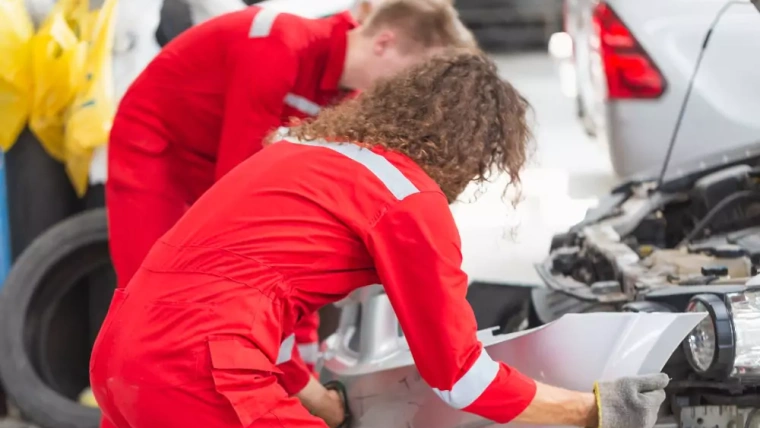
Now, what exactly does a collision repair shop tackle day in and day out? When your car has been through a fender bender, parking lot mishap, or a more serious collision, these shops are your go-to pros for restoring both appearance and safety.
Collision repair shops typically handle:
- Structural and Frame Repairs: From minor dings to significant frame realignment, these shops have the tools and expertise to make sure your vehicle’s foundation is sound.
- Panel Replacements and Dent Removal: Whether it’s a crumpled bumper or a pesky door dent, they know how to swap out damaged panels and erase unsightly blemishes.
- Paintwork and Scratch Repairs: Skilled technicians blend and match finishes to restore your car’s original shine, so you won’t even remember where the scratch was.
- Safety and Mechanical Checks: Beyond surface repairs, reputable shops look under the hood (and chassis) for hidden damage to critical components, ensuring your vehicle meets safety and performance standards before it gets back on the road.
The goal? To restore your car to its pre-accident glory—both in looks and driving confidence.
Automotive Repair vs. Collision Repair: What Sets Them Apart?
If you’ve ever found yourself scratching your head in the waiting room, wondering whether you need an automotive repair shop or a collision repair specialist, you’re not alone. While both deal with your beloved set of wheels, their day-to-day work—and the expertise they bring to the table—are quite distinct.
Automotive Repair Shops:
Think of these as your go-to mechanics for keeping your car healthy and humming along the highways of Long Island. These shops specialize in the guts and bolts: oil changes, brake replacements, engine tune-ups, and transmission fixes. If your check engine light blinks on during a road trip from Westbury to Huntington, or your brakes start to squeal as you cruise through Bethpage, an automotive repair shop is your first stop. Their job? Preventing problems, solving mechanical mysteries, and making sure every part under the hood is running as intended.
Collision Repair Shops:
On the flip side, collision repair centers are your heroes when misfortune strikes—think fender benders in the Garden City mall parking lot or a rogue shopping cart in Levittown. These pros focus on restoring your car’s body after accidents—fixing everything from scratches and dings to full-on crumpled doors and bent frames. Equipped with specialized tools and training, collision repair shops work their magic to reverse cosmetic and structural damage, ensuring your ride not only looks like new but is also safe to drive. In short, they put all the pieces back together after the unexpected happens.
Understanding this distinction helps you pick the right place the next time your car needs attention—whether that means routine maintenance or a major makeover after a mishap.
The Importance of Paint Quality and Color Matching in Collision Repairs
When it comes to collision repairs, paint quality and precise color matching are far more than cosmetic concerns—they play a vital role in maintaining your vehicle’s value and overall appearance. An uneven or mismatched paint job not only detracts from your car’s look but can also lower its resale value.
A reputable auto body shop will use advanced color-matching technology, such as computerized systems from specialists like PPG or BASF, to replicate your vehicle’s original finish with a flawless transition between old and new panels. This attention to detail helps avoid the dreaded patchwork look that can result from poor-quality work.
It’s wise to ask prospective shops about their painting process. Find out what type of paint they use—whether it’s a high-quality, long-lasting option—and whether they stand by their work with a warranty. High-caliber materials and skilled application go a long way in ensuring your vehicle leaves the shop looking as good as new.
The Importance of Paint Quality and Color Matching in Collision Repairs
When it comes to collision repairs, paint quality and precise color matching are far more than cosmetic concerns—they play a vital role in maintaining your vehicle’s value and overall appearance. An uneven or mismatched paint job not only detracts from your car’s look but can also lower its resale value.
A reputable auto body shop will use advanced color-matching technology, such as computerized systems from specialists like PPG or BASF, to replicate your vehicle’s original finish with a flawless transition between old and new panels. This attention to detail helps avoid the dreaded patchwork look that can result from poor-quality work.
It’s wise to ask prospective shops about their painting process. Find out what type of paint they use—whether it’s a high-quality, long-lasting option—and whether they stand by their work with a warranty. High-caliber materials and skilled application go a long way in ensuring your vehicle leaves the shop looking as good as new.
What is a Certified Auto Body Shop?
A certified auto body shop is a facility that meets specific standards set by manufacturers or industry organizations. These shops undergo rigorous training and evaluation to ensure they can provide high-quality repairs that align with the latest automotive technologies.
Certification often requires adherence to strict protocols in repair techniques, equipment use, and customer service. Many certified shops display badges from recognized programs such as I-CAR, PPG, or OEM endorsements, indicating their commitment to excellence.
Using a certified auto body shop brings several advantages. For one, these facilities typically have access to updated technical information and resources directly from manufacturers. This means they are equipped to handle various makes and models efficiently.
Furthermore, many insurance companies prefer working with certified shops because of their reputation. Choosing such a facility can not only provide peace of mind but also ensure quality craftsmanship for your vehicle repairs.
Specialized Expertise and Capabilities
It’s important to note that not all auto body shops—certified or otherwise—offer the same level of expertise across every kind of repair. Some facilities may specialize in certain types of vehicles, such as luxury brands or trucks, while others focus on specific repair services like frame straightening or advanced paint matching. When evaluating a shop, always check whether they have hands-on experience with your particular vehicle make and model.
If your car requires specialized repairs, make sure the shop is equipped with the right tools and that their technicians have targeted training. This ensures your vehicle is restored to its original condition, using procedures and technology designed for your specific needs.
- Requirements for Certification
To achieve certification, an auto body shop must meet specific standards set by industry organizations. These standards often include having skilled technicians who are trained in the latest repair techniques and technologies.
Shops may also need to invest in specialized tools and equipment. This ensures they can perform repairs that adhere to manufacturer specifications.
Another requirement is maintaining a clean and organized work environment. A well-kept facility reflects professionalism and attention to detail, which is crucial for high-quality workmanship.
Certification often involves passing rigorous inspections conducted by certifying bodies. These evaluations assess everything from customer service practices to the quality of repairs performed.
Lastly, certified shops typically engage in ongoing training programs. Staying updated with advancements in automotive technology is essential for any reputable operation aiming for long-term success.
- Benefits of Using a Certified Shop
Using a certified auto body shop offers peace of mind. These shops adhere to strict industry standards, ensuring quality repairs.
Certified technicians undergo rigorous training. They stay updated on the latest techniques and technologies. This expertise translates into better craftsmanship for your vehicle.
Warranty coverage is another significant advantage. Certified shops often provide warranties on their work, protecting you against future issues.
Additionally, most insurance companies prefer working with certified shops. This can streamline the claims process, making it easier for you to get back on the road quickly.
Safety is paramount as well. Certified shops follow manufacturer guidelines closely, ensuring that repairs maintain the integrity and safety features of your vehicle.
Choosing a certified shop not only enhances your car’s appearance but also its performance and longevity over time. It’s an investment in both aesthetics and safety that pays off in more ways than one.
What is a Non-Certified Auto Body Shop?
Non-certified auto body shops operate without the formal recognition from manufacturers or industry standards. They may lack the rigorous training and adherence to best practices that certified facilities uphold.
These shops often offer services at lower prices, which can be appealing. However, this cost-saving might come with hidden risks. The technicians may not have access to the latest repair techniques or specialized tools required for certain makes and models.
Quality assurance is another concern. Non-certified shops might not follow strict guidelines for repairs, leading to subpar workmanship. This could result in recurring issues down the line, impacting your vehicle’s safety and performance.
Additionally, insurance companies sometimes hesitate to cover repairs done at non-certified locations. This uncertainty can leave you vulnerable if problems arise after service has been completed. Always weigh these factors carefully before making a decision on where to entrust your vehicle’s care.
- Differences from Certified Shops
Non-certified auto body shops often operate with fewer regulations and oversight. This can lead to significant differences in quality and performance compared to certified establishments.
One major distinction lies in the equipment used. Certified shops typically invest in advanced technology and tools that meet industry standards, while non-certified ones may rely on outdated or subpar equipment.
Moreover, technicians at certified shops have usually undergone specific training programs. These professionals are well-versed in modern repair techniques and safety protocols, ensuring a higher level of workmanship.
In contrast, non-certified shops may employ staff without formal certifications or ongoing training, which can result in inconsistent service quality. This lack of standardization raises concerns about the reliability of repairs performed at these facilities.
Finally, the materials used by certified auto body shops often adhere to manufacturer specifications, whereas non-certified options might cut corners with cheaper alternatives that could compromise your vehicle’s integrity over time.
- Potential Risks of Using Non-Certified Shops
Choosing a non-certified auto body shop can lead to several potential risks that every vehicle owner should consider. One major concern is the lack of standardized practices, which may compromise the quality of repairs.
Without certification, there’s no guarantee that technicians have undergone rigorous training or are up-to-date with industry standards. This can result in subpar workmanship and potentially unsafe repairs.
Additionally, using a non-certified shop could void your warranty. Many manufacturers require repairs to be done at certified locations to maintain coverage.
You might also encounter issues with insurance claims. Some insurers prefer certified shops for their reliability and adherence to safety regulations. If you choose a non-certified option, you could face complications when seeking reimbursement.
Lastly, customer service experiences can vary widely at non-certified shops, leaving you vulnerable to unprofessional treatment or unexpected costs down the line.
Factors to Consider When Choosing an Auto Body Shop
Choosing the right auto body shop can feel overwhelming. Start by checking their reputation. Look for online reviews and ask friends or family for recommendations.
Next, consider the quality of workmanship. Visit shops if possible and assess their facilities. A well-organized, clean environment often reflects a commitment to quality.
Cost is another crucial factor. While you want reasonable prices, be wary of deals that seem too good to be true. Understand your insurance coverage as it may influence your choice.
Finally, communication matters. A reliable shop should keep you informed throughout the repair process, answering any questions promptly and clearly. This transparency builds trust and ensures a smoother experience during repairs.
- Reputation and Reviews
When choosing an auto body shop, reputation matters. A solid track record often signals reliability and quality service.
Look for shops with positive customer reviews on platforms like Google, Yelp, or social media. These testimonials provide insights into others’ experiences. Pay attention to comments regarding professionalism, turnaround time, and communication.
Word-of-mouth referrals can also be invaluable. Ask friends or family about their experiences with local shops. Personal recommendations often lead you to trustworthy options.
Consider the shop’s standing in the community as well. Membership in professional organizations may indicate a commitment to industry standards and ongoing training.
A well-regarded auto body shop will likely maintain transparency about services offered and pricing structures as well. This openness helps build trust from the start, which is crucial when making decisions about your vehicle’s care.
Transparency in Pricing
A reputable shop should provide a detailed, easy-to-understand estimate that outlines the costs of parts, labor, and any additional services. There should be no hidden fees or surprises—just clear information about what you’re paying for. If anything on the estimate is unclear, don’t hesitate to ask for clarification. A trustworthy shop will always be willing to explain the charges in detail, ensuring you feel confident before any work begins.
- Quality of Workmanship
Quality of workmanship is a crucial factor when choosing an auto body shop. It reflects the skills and knowledge of the technicians working on your vehicle.
Certified auto body shops often employ highly trained professionals who have undergone rigorous testing and training. This ensures they are well-versed in current repair techniques, safety standards, and manufacturer specifications.
Non-certified shops might not maintain these same high standards. Technicians may lack formal training or experience with specific makes and models, which can lead to subpar repairs.
Investing in quality workmanship can save you from future headaches. Poorly executed repairs could result in further damage down the line or compromise your vehicle’s safety features.
Always ask about warranties on work performed. A reputable shop will stand behind its services, providing peace of mind that you’re getting value for your investment.
- Cost and Insurance Coverage
When considering an auto body shop, cost is a crucial factor. Prices can vary significantly between certified and non-certified shops. Certified facilities often charge more due to their extensive training, advanced equipment, and adherence to industry standards.
However, many insurance companies prefer, or even mandate, the use of certified auto body shops for repairs. This could mean better coverage for you in the long run. They typically provide warranties on their work as well. If an auto body shop serves as an insurance claim center, it can make the entire process seamless and easier to navigate.
Beyond just the bottom line, consider what additional conveniences the shop offers. Do they provide rental cars or shuttle services to keep you on the road while your vehicle is in the shop? Are after-hours drop-off or pick-up options available to fit your schedule? These services can make a big difference, especially when juggling work and family commitments.
Some shops also go the extra mile by assisting with the insurance claims process itself, helping you with paperwork and communicating directly with your insurance company. This support can save you time and reduce stress during an already inconvenient situation.
Non-certified shops may offer lower prices initially but might lack the quality assurance that comes with certification. If something goes wrong after repairs, you may end up paying out of pocket.
Non-certified shops may offer lower prices initially but might lack the quality assurance that comes with certification. If something goes wrong after repairs, you may end up paying out of pocket.
Beyond just the sticker price, it’s important to look at the overall value for money. A higher upfront cost at a certified shop often covers the use of original equipment manufacturer (OEM) parts, skilled technicians, and a comprehensive warranty—all factors that can protect your investment and your vehicle’s resale value. Sometimes, paying a little more ensures that repairs are done right the first time, saving you from future headaches and expenses.
Understanding your insurance policy is essential here too. Some insurers cover only specific types of repairs or services at certain shops. Always check what’s included before making a decision about where to take your vehicle for repair work. Carefully weighing the balance between cost, quality, and insurance coverage will help you make a choice that pays off in the long run.
Case Studies: Examples of Using a Certified vs. Non-Certified Shop
Carla had a minor fender bender and decided to take her vehicle to a certified auto body shop. The team quickly assessed the damage, provided her with a transparent estimate, and assured her that they would use OEM parts for repairs. Within just three days, Carla’s car looked brand new again.
In contrast, Kevin opted for a non-certified shop after seeing an appealing advertisement online. While he saved some money upfront, he later discovered that low-quality aftermarket parts were used in the repair. A few months later, rust began appearing where the parts were installed—an issue he hadn’t anticipated.
When weighing your options, it’s important to understand the difference between Original Equipment Manufacturer (OEM) parts and aftermarket parts. OEM parts are made by your vehicle’s manufacturer to match the original specifications exactly, ensuring a proper fit and reliable performance. Aftermarket parts, supplied by third-party manufacturers, can be less expensive but may vary in quality and compatibility. While some aftermarket parts perform well, others might not meet the same standards, potentially leading to issues like premature wear or rust, as Kevin experienced.
A reputable repair shop should clearly explain whether they use OEM or aftermarket parts, and help you weigh the pros and cons. Saving a bit upfront may seem attractive, but using lower-quality materials can lead to headaches—both for your wallet and your car’s long-term health—down the road.
These experiences highlight distinct outcomes between certified and non-certified shops. Quality assurance often comes at a premium but can save you from future headaches down the road. Choosing wisely matters significantly when it comes to your vehicle’s upkeep and safety on the road.
Tips for Finding a Reputable Auto Body Shop
Finding a reputable auto body shop can feel overwhelming. Start by asking friends and family for recommendations. Personal experiences often lead you to trustworthy options.
Next, check online reviews on platforms like Google or Yelp. Look for consistent praise about quality and customer service. Pay attention to any recurring complaints.
Visit the shop in person if possible. A clean, organized facility usually indicates professionalism and pride in their work. Chat with staff; they should be friendly and willing to answer your questions.
Don’t forget about certifications! A certified auto body shop means they meet industry standards, which is crucial for quality repairs.
Lastly, get estimates from multiple shops before making a decision. Compare prices but remember that the cheapest option isn’t always the best choice regarding reliability and safety.
Conclusion: Making the Best Decision for Your Vehicle
Choosing the right auto body shop is crucial for maintaining your vehicle’s performance and safety. Whether you opt for a certified or non-certified shop can significantly impact the quality of repairs. Certified auto body shops adhere to strict industry standards, ensuring that technicians are trained and equipped with the latest tools and techniques. This translates into better workmanship and potentially higher resale values.
On the other hand, while some non-certified shops may offer lower prices, they might not provide the same level of service or guarantee on their work. It’s essential to weigh these factors carefully. Reading reviews, checking qualifications, and asking about warranties can help guide your decision.
Ultimately, selecting an auto body shop should align with your priorities—be it cost savings or peace of mind knowing your vehicle is in expert hands. Taking time to research will serve you well in ensuring a safe driving experience for years to come.